Communicating Through Play | Disability Staff Training
What becomes possible when we bring more creativity and playfulness into the way we support others?
A familiar song can become an invitation to connect. Making something together can reveal an interest that never emerged in conversation. Exploring a future experience through role play can make it feel more approachable.
At Discovery Playtime, we create tailored training that helps staff recognise and develop these possibilities. Through our Play for Growth approach, teams explore how sensory play, creativity and communication through play can enrich their interactions with the people they support.
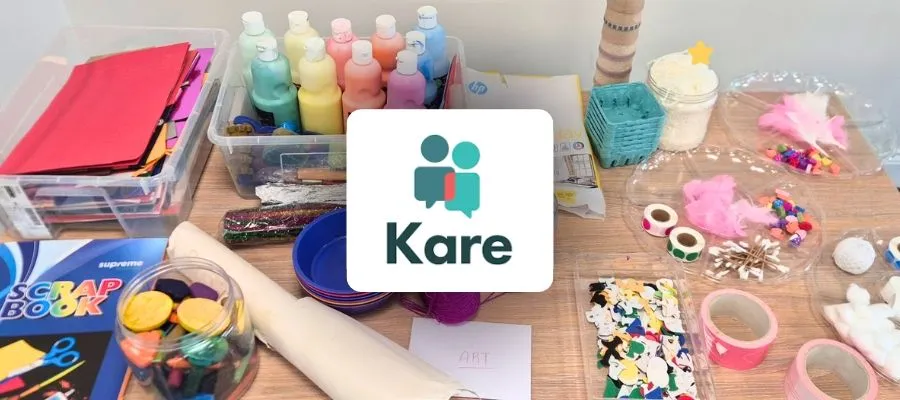
Our session with KARE brought this approach into adult disability support, exploring music, art and play as three different ways to communicate, connect and discover.
Training built around each organisation
Every organisation brings a different combination of people, responsibilities, strengths and challenges. Training needs to connect with that reality.
We shape our sessions around the organisation’s work, its staff and the people they interact with. The aim is to help participants develop ideas they can use in their own setting, with the resources and opportunities available to them.
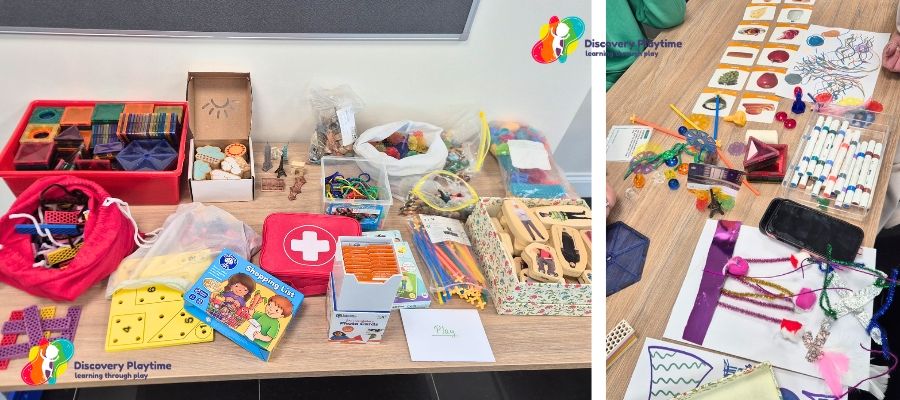
Our approach is hands-on, reflective and practical. Participants experience activities, explore different responses and consider what those experiences might mean for their work.
There is also a personal element. Staff get to play, create and connect with each other. Working together in unfamiliar ways can open conversations, reveal strengths and create opportunities for team bonding. These shared experiences give participants something meaningful to reflect on, alongside the practical ideas they take away.
Bringing this approach to KARE
KARE supports adults with intellectual disabilities in Ireland, helping people live the lives they choose within their communities. Its adult services include day services, residential support, outreach, employment support and respite.
For this session, the focus was on staff supporting adults. We used our understanding of KARE’s work and the information shared by the organisation to create a two-hour experience relevant to their interactions and everyday support.
The training explored how creative invitations could help staff understand the person in front of them, discover preferences and build connection. Adult interests, relationships, choices and ambitions were central to that exploration.
Three different ways to communicate
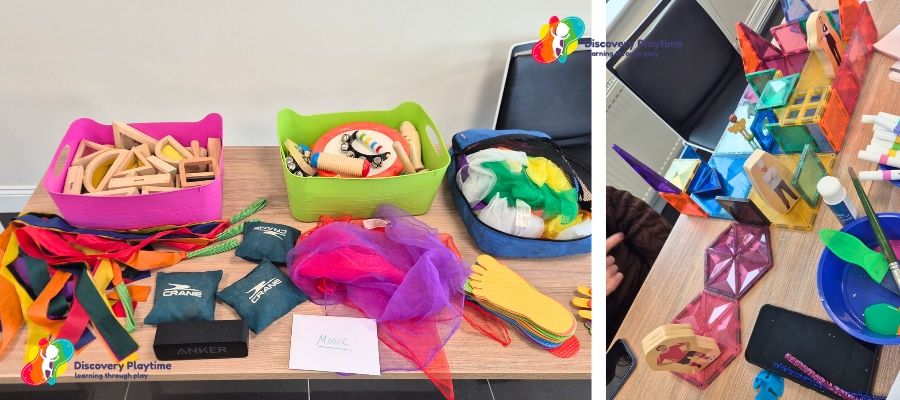
Music, art and play formed the practical heart of the session.
Through music and movement, participants explored rhythm, expression and responding to another person. Through art, they experimented with creating and communicating without needing a polished result. Through play, they explored imagination, everyday situations and different possibilities.
Sensory experiences ran through all three. Materials, sounds, movement and textures offered different starting points for participation.
The room became a place to try things, respond to each other and think outside the box. Reflection connected those experiences with practice: what had caught someone’s interest, what had helped connection happen, and what could be adapted for a particular person?
Observing became an active part of creating an experience. Instead of relying only on a prepared idea, participants explored how another person’s response could guide what happened next.
From uncertainty towards possibility
The role-play scenarios were a particularly meaningful part of the session. They brought creative exploration into situations that people might encounter in everyday life.
Starting a new job, travelling somewhere unfamiliar or preparing for a change can bring anxiety. Talking about the experience may help, but building, drawing or acting out possibilities can offer another way to explore it.
Play creates room to consider what might happen, try different responses and identify what support would make a difference. Something unfamiliar can begin to feel more recognisable.
One of the insights we explored was how this familiarity can open a path from anxiety towards curiosity - and sometimes excitement. It gives the person space to express questions, preferences and hopes while helping staff understand how to support them.
Challenging our own “I’m not good at…”
Creative experiences also invite us to notice the beliefs we bring into the room.
“I’m not good at art.” “
I’m not creative.”
“I wouldn’t know what to do.”
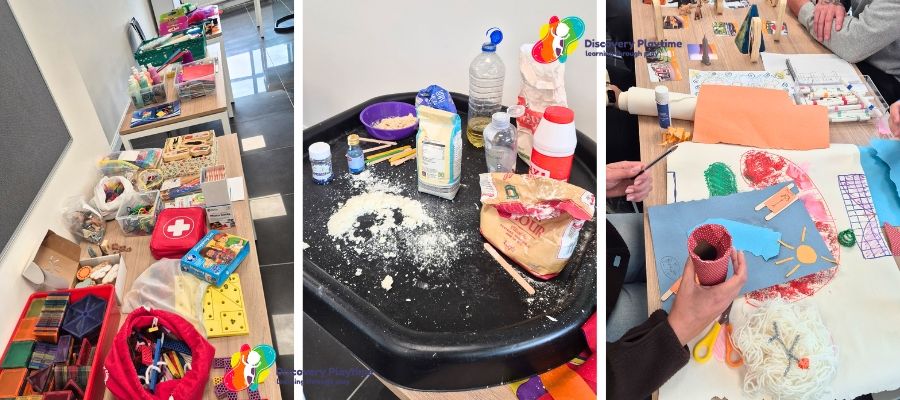
Exploring different ways of making, moving and playing can challenge those assumptions. When there is room to experiment without producing a perfect result, we can discover possibilities we had dismissed.
That shift matters in our work too. Becoming more comfortable with trying, adapting and following an unexpected idea can help us offer others more freedom to explore. Our own playfulness can influence the atmosphere we create.
Practical learning that continues beyond the room
The KARE session brought together personal exploration, shared creativity and reflection on everyday support. Participants received activity reminders and sensory recipes to help them revisit ideas and develop them further.
For organisations, this type of training offers practical experiences alongside opportunities to strengthen staff connection, encourage creativity and bring fresh attention to interactions.
If your organisation would like tailored training that supports communication, sensory play and meaningful connection, contact Discovery Playtime. We deliver Play for Growth sessions across Ireland, shaped around your staff, your setting and the people you support.
