What If We've Been Thinking About Play All Wrong?
What If We've Been Thinking About Play All Wrong?
What if one of the biggest things missing from education isn't more funding, more technology or more resources?
What if it's play?
Not play as a reward at the end of a lesson. Not play as something children earn after they have finished their work. But play as one of the most natural ways humans learn, connect, create and make sense of the world.
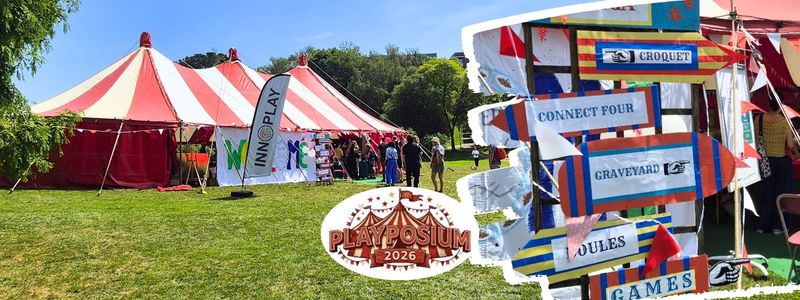
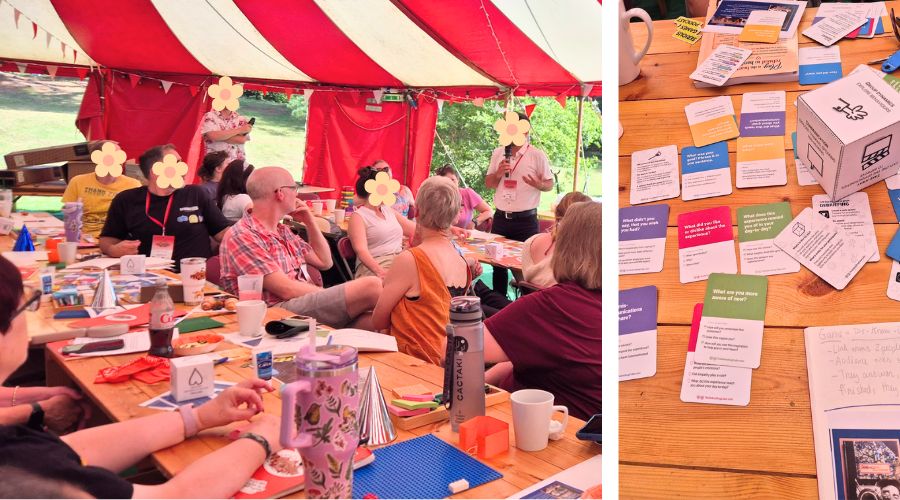
These were the kinds of conversations happening at Playposium in Exeter, UK, where I recently had the privilege of attending and presenting alongside educators, researchers, therapists, university professors, designers and innovators from around the world. Although we all worked in completely different contexts - from early childhood to universities, businesses and healthcare, we were all exploring one powerful idea: how can we create a more playful society?
I arrived expecting to return home with a notebook full of new games, practical strategies and activities to add to my teacher training sessions. Instead, I came home with something much more valuable. My perspective on education shifted. Rather than collecting new ideas, I found myself questioning the foundations of how we approach learning in the first place.
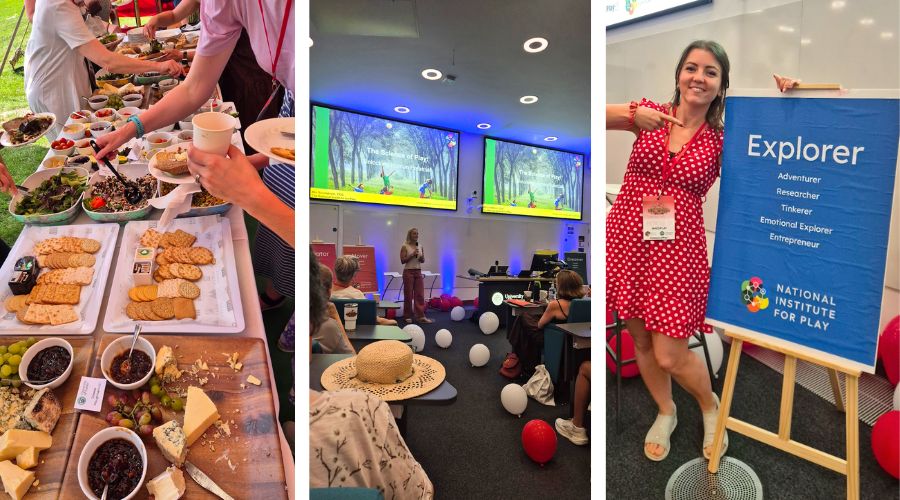
Throughout the conference, I noticed a common thread running through almost every keynote, workshop and conversation. Regardless of whether the topic was neuroscience, trauma, higher education, creativity or innovation, everyone kept coming back to the same principle. Learning doesn't happen simply because we present information. It happens because of the environment we create around the learner.
That realisation has probably been my biggest takeaway.
As educators, we spend so much time asking questions like, "How can I make this lesson more engaging?", "What activity should I use?" or "What resources do I need?" They are all important questions, but I came home asking something completely different.
What Conditions Help People Grow?
That question has stayed with me ever since because it changes everything.
When people feel psychologically safe, they are more willing to contribute ideas. When they know mistakes are welcomed as part of learning rather than something to fear, they become more willing to take risks. When they are given genuine choice, they become more engaged. When curiosity is encouraged instead of judged, creativity naturally begins to emerge. When people feel connected to those around them, collaboration becomes easier and learning becomes more meaningful.
Suddenly, play wasn't just another teaching strategy.
It became a way of creating those conditions.
One of the things I appreciated most about Playposium was that nobody was trying to convince us that play means making learning easier or less rigorous. In fact, quite the opposite. The message was clear: play is serious work. It develops creativity, resilience, empathy, collaboration, innovation and problem-solving - skills that every school, organisation and employer says they want to develop. The challenge isn't finding time to stop learning so we can play. The challenge is learning how to bring more playfulness into what we're already doing.
That was a subtle but incredibly powerful shift for me.
Rather than asking, "When can we play?" we should perhaps be asking, "How can we approach this more playfully?" That change in mindset opens up countless possibilities.
One of the greatest highlights of the conference was having the opportunity to facilitate my own workshop, Imagination Unboxed. Preparing this session was a learning experience in itself. Originally, I designed it with teachers and children in mind, but after spending the first few days listening to university lecturers, researchers and professionals from so many different disciplines, I realised something important.
Imagination isn't something children need more of.
It's something adults need to keep practising.
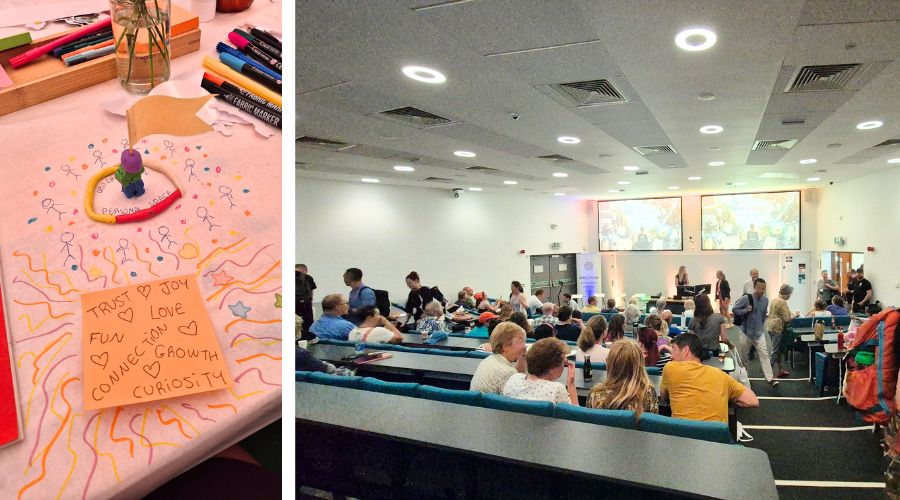
Somewhere between childhood and adulthood, many of us stop giving ourselves permission to imagine. We become focused on solving problems, following routines and finding the right answers. Yet everything we create in the world begins in exactly the same place: our imagination.
Every invention.
Every lesson.
Every business.
Every community project.
Every solution to a problem that has ever existed first lived inside someone's imagination before it became reality.
That became the heart of my workshop.
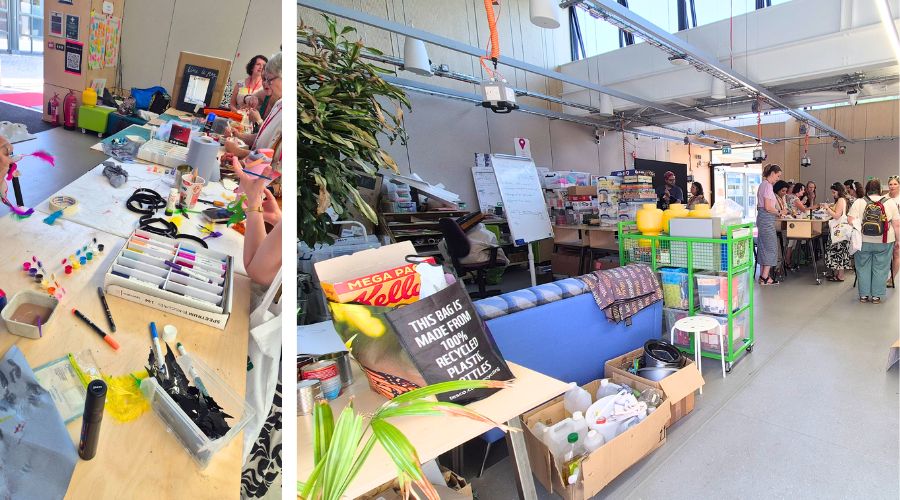
Together, we explored how imagination grows when we intentionally create the right conditions. Participants reflected on the people they serve before touching any materials. They asked questions about needs, interests, challenges and purpose before designing playful learning experiences using simple everyday objects. The goal wasn't simply to make something creative. It was to understand that meaningful play always begins with people, not resources.
One of the most rewarding moments was watching participants realise that innovation rarely starts with having more. It starts with seeing differently. The simplest materials became invitations for creativity because they were combined with intention, imagination and collaboration.
That message also reinforced something I have believed for a long time.
Schools often tell me they need more funding, more equipment or more resources before they can create engaging learning experiences. While resources certainly help, Playposium reminded me that one of the most powerful resources we already have is our imagination. The more we develop our own creativity as educators, the more possibilities we create for the children, young people and adults we work with.
This experience has also given me greater clarity about the future of my own work.
For many years, Discovery Playtime has been centred around learning through play. That will always remain at the heart of what I do because I truly believe play is one of the most powerful ways we learn.
But Playposium has helped me put words to something I have been building for a long time without fully realising it.
My work isn't simply about helping people use more play.
It's about helping them create the conditions for meaningful growth.
Whether I'm working with teachers, school leaders, parents, charities, universities or organisations, the goal remains the same: creating environments where people feel safe enough to explore, confident enough to contribute, curious enough to ask questions, connected enough to collaborate and imaginative enough to discover possibilities they hadn't seen before.
Those conditions don't only benefit children.
They benefit every human being.
As I continue developing my teacher training programmes, consultancy work, workshops and the Rediscovering Childhood project, these ideas will shape everything I create. The activities will continue to evolve, the research will continue to grow and new ideas will emerge, but the philosophy underneath has become much clearer.
Education isn't simply about transferring knowledge.
It's about creating experiences that change the way people think about themselves, about others and about what's possible.
If we can do that through play, imagination and meaningful connection, then we're not just improving education.
We're helping create communities where people continue learning, growing and contributing long after they leave the classroom.
If you're looking to bring more playfulness, creativity, connection and meaningful learning into your school or organisation, I'd love to work with you. I offer teacher training, keynote talks, staff development sessions and bespoke workshops for organisations working with children, young people and families. I also deliver online webinars designed to help educators and professionals rediscover their own imagination and create environments where meaningful growth can happen every day.
If that sounds like something your team would benefit from, I'd love to start the conversation.
