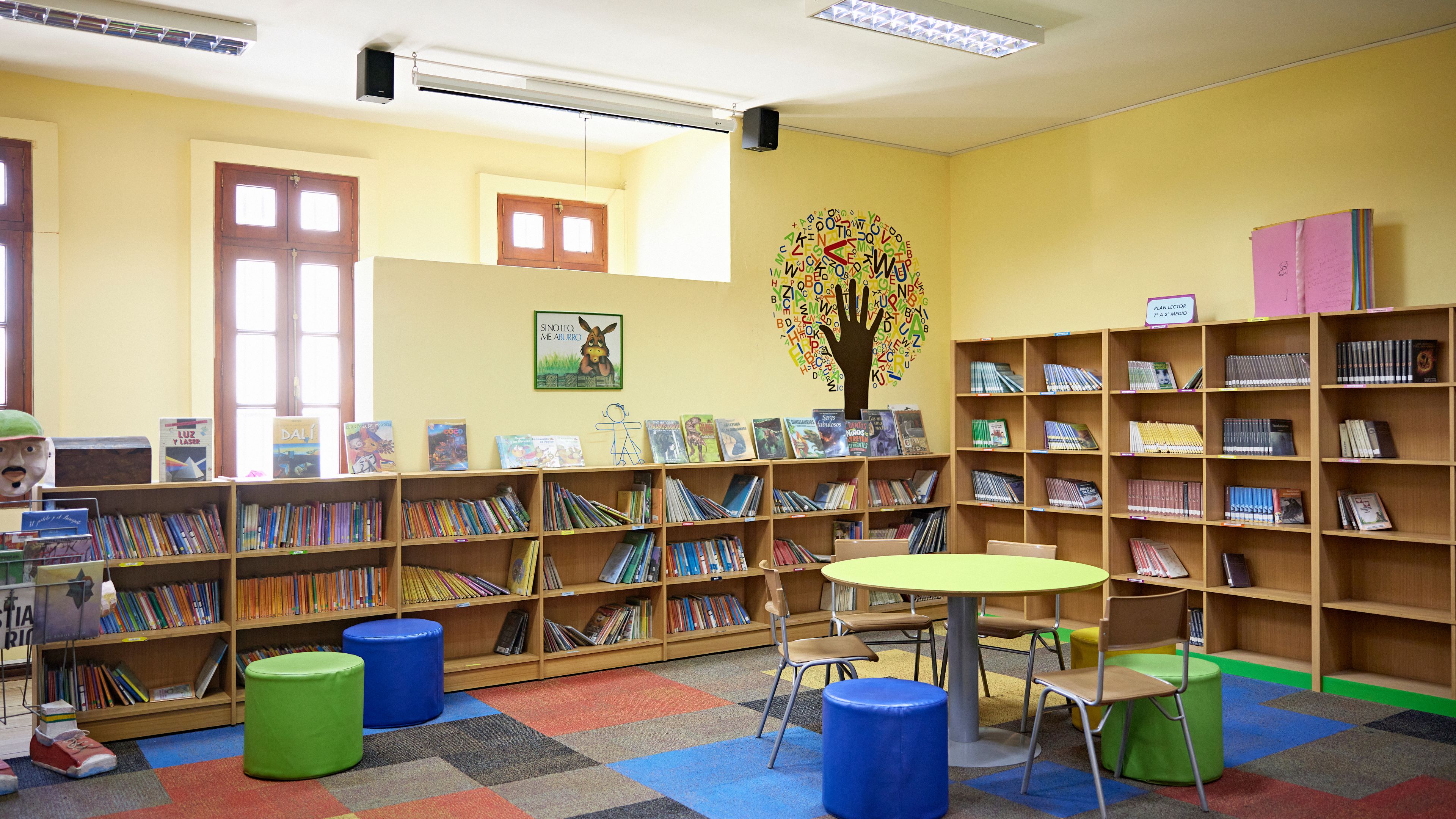
Empowering County Meath Libraries to Create Inclusive and Engaging Play Spaces
The Challenge: Libraries as Community Hubs for Every Family
County Meath Libraries understood something powerful: libraries are more than book- lending spaces. They're community hubs where families gather, children explore, and meaningful connections form. But to truly fulfil this role, staff needed support in understanding how to create environments where every child, regardless of ability, sensory preference, or background, feels genuinely welcomed and supported.
What the library leadership wanted:
Staff who felt confident supporting children's development through play
Understanding of diverse needs and how to respond supportively
Warm, effective communication strategies with families
Transformation of physical spaces into places that invite exploration
Increased family engagement across all branches
"We wanted our staff to feel empowered in every interaction with children and families, to understand not just what to do, but why it matters." - County Meath Libraries Leadership Team
What made this particularly meaningful was the library team's recognition that their staff interact with children and families every single day, and those interactions matter. A warm greeting, a thoughtful observation, a well-designed play space, or a supportive conversation with a parent can profoundly impact how a family experiences their local library.
The key question: How could they empower their team to make every one of those moments count?

Understanding What Library Staff Needed
Before designing the training, I took time to understand the unique context of County Meath Libraries. Their branches varied, from larger libraries in towns to smaller rural locations. Each served different communities with different needs.
The diversity of contexts:
Large town libraries with dedicated children's areas
Small rural branches working with limited space
Staff with varying confidence levels around children
Different community demographics and family needs
Shared commitment: genuine desire to do better
Staff wanted practical knowledge they could immediately apply. They wanted to understand what play actually is and why it matters for development. They wanted to feel more confident observing children and responding to different behaviours without judgment.
Key staff requests:
✓ Strategies for supporting neurodivergent children and sensory preferences
✓ Ideas for transforming spaces without large budgets
✓ Stronger communication skills with families
✓ Confidence to make every parent feel their child is valued
"We see children every day, but we weren't always sure if we were supporting them in the best way possible. We wanted to understand more." - Library Staff Member
The library leadership's vision went beyond a single training day. They saw this as the beginning of a partnership, one that could include parent workshops, children's play sessions, and ongoing collaboration. By working together toward the same goal - the wellbeing and development of children in their communities - they could create something truly transformative.
How the Training Was Designed
Drawing on my years working in education with children of all ages, parents, and teachers, combined with my experience as both an entrepreneur and qualified teacher, I designed a session that was personal, practical, and deeply grounded in understanding how children learn and thrive.
My approach is shaped by:
Work through Discovery Playtime with families and educators
Conversations on my Rediscovering Childhood podcast
Training sessions with primary school teachers across Ireland
Entrepreneurship workshops with Kildare students
Direct experience as both teacher and business founder.
The session wasn't about lecturing staff on theory. It was about creating moments of genuine insight, sharing real scenarios they'd recognise from their own libraries, demonstrating simple techniques they could use immediately, and building their confidence through understanding.

What the Training Covered
Understanding Play as Essential Learning
We began by exploring what play truly is and why it matters so deeply for child development. Library staff often see children playing in their spaces but may not fully recognise the profound learning happening beneath the surface. When staff understand that play builds everything from language and problem-solving to emotional regulation and creativity, their entire perspective shifts. Suddenly, the child pouring rice isn't "just playing", they're developing coordination, patience, and executive functioning skills they'll use throughout life. This understanding helps staff value and protect play in their libraries, and confidently explain its importance to families and colleagues.
"I never realised how much learning was happening when I saw children playing. This completely changed how I see what's happening in our library." - Training Participant
Observation Skills and Supporting Children Effectively
Library staff interact with children constantly but don't always feel equipped to respond when behaviour is confusing or challenging. We focused on observation as the most powerful tool for understanding what children need. By learning to pause, watch, and listen before intervening, staff discovered they could recognise what a child is communicating through their actions. This practical framework transforms how they support children, moving from trying to control or fix behaviour to genuinely understanding and responding to the needs underneath. Real library scenarios helped staff practice this new approach in contexts they face daily.
Creating Inclusive Environments for All Children
One of the most transformational parts of the session addressed how different children experience the world and engage with spaces. Some children thrive with movement and noise; others need calm and predictability. Some watch before joining; others dive right in.
When staff understand these natural differences, including sensory preferences and neurodivergent profiles, they stop trying to make all children behave the same way and instead create environments that accommodate diverse needs. This practical knowledge about inclusion means staff can make small adjustments that allow every child to feel comfortable and capable in their library.
"Understanding sensory preferences was a game-changer. Now when I see a child behaving in certain ways, I understand what they might need rather than trying to change them." - Training Participant
Making Libraries Naturally Playful and Engaging
Libraries are perfectly positioned to combine books with hands-on exploration, but staff sometimes aren't sure how to create these connections.
We explored simple, practical ways to design play opportunities that link directly to stories and literacy, using everyday materials, thoughtful setup, and intentional connections to books. Staff discovered they don't need expensive resources or elaborate programs; they need to understand the principles behind meaningful play setups.
This knowledge empowers them to transform any space, regardless of size or budget, into an environment that invites curiosity and exploration.
Communicating to Build Connection and Trust
Throughout the session, we wove in the most important element of all: how staff interact with children and families. The way we greet families, acknowledge children, share observations, and respond to concerns either creates belonging or creates barriers. Staff learned strengths-based communication approaches that help every family feel welcomed, understood, and valued.
When families experience this warmth and genuine respect, they return, and they bring others with them. Small shifts in communication style create profound shifts in how safe and included people feel.
Environmental Changes That Support Everyone
Finally, we addressed the physical environment itself. Through discussion of real library constraints and creative problem-solving, staff identified practical adjustments they could make to better support all children. Many changes require no budget, just thoughtful rearrangement or simple additions. Understanding which environmental factors matter most for inclusion (visual clarity, defined spaces, sensory supports, accessibility) means staff can prioritise improvements that genuinely enhance children's experiences.
"I realised we could make our library so much more welcoming with changes that don't cost anything, just rearranging what we already have." - Training Participant
Why This Approach Works
The training succeeds because it translates theory into practice. Staff don't just learn concepts; they understand how to apply them in their specific libraries with their specific communities. Every topic connects directly to situations they encounter daily, making the learning immediately relevant and actionable. By the end of the session, staff feel equipped rather than overwhelmed, confident rather than uncertain, and genuinely excited about the difference they can make.

Is Your Library Team Ready?
If you're reading this case study and recognising similar needs in your own library system, staff who want to better understand child development, create more inclusive spaces, strengthen family engagement, and make every interaction count, I'd love to support your team too.
This Training Can Be Tailored To
Different settings:
Rural or urban libraries
Large central libraries or small branches
Mixed teams across multiple locations
Different starting points:
Teams new to children's programming
Experienced staff wanting to deepen practice
Mixed experience levels
Different resources:
Varied space availability
Different budget constraints
Diverse community demographics
What Matters Most
Your team's willingness to learn and your commitment to making your libraries places where every child and family feels genuinely welcomed and supported.
Together, we can create library environments where:
✓ Play is valued as essential learning
✓ Inclusion is practised daily through small but powerful choices
✓ Families feel understood and supported
✓ Children develop skills, confidence, and love of learning
✓ Communities gather and grow stronger
"This training investment in our staff was an investment in our entire community." - Library Leadership Team
Case Study Details
Client: County Meath Libraries
Service: Staff Training - Creating Inclusive and Engaging Play Spaces
Participants: Library staff from across County Meath
Facilitator: Mireia Lopez, Discovery Playtime
Date: January 2026
Let's Start the Conversation
If your library team would benefit from training that's practical, empowering, and genuinely transformative, let's talk about what would work best for your context.
Contact Discovery Playtime:
📱 +353 86 360 3637
About Mireia Lopez
Mireia Lopez is the founder of Discovery Playtime and a qualified teacher and play specialist with years of experience working in education with children of all ages, parents, and teachers. As an entrepreneur who built Discovery Playtime from the ground up, she brings both educational expertise and practical business wisdom to her training sessions. Her work spans primary teacher CPD, entrepreneurship education with Kildare students through the Student Enterprise Programme, her Rediscovering Childhood podcast, and ongoing collaboration with families and educators across Ireland. Her approach emphasises building confidence, creating inclusive environments, and empowering adults to support children's natural capacity for growth through play and connection.
"Supporting families and children to reach their full potential as we reach ours." - Discovery Playtime Mission
