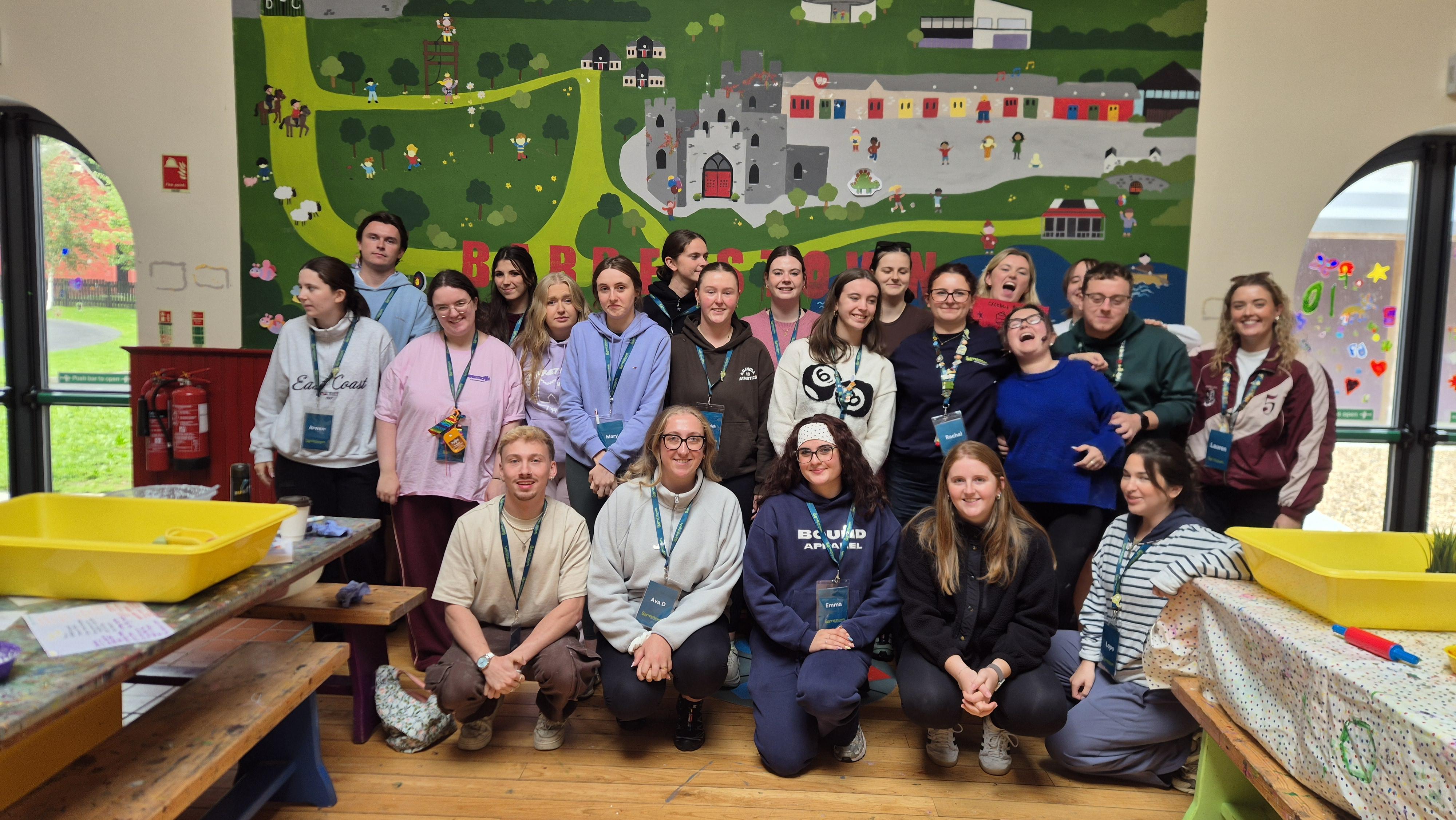
Bringing the Power of Play to Barretstown: A Staff Training Case Study
When Discovery Playtime partners with a team, we don't start with a slide deck. We start with a conversation.
That's exactly how our work with Barretstown began. As one of Ireland's leading providers of therapeutic recreation for children with serious illnesses, Barretstown wanted more than a generic play training session. They wanted their staff, across hospital, home, school and camp settings, to feel genuinely confident, creative and equipped to use play as a tool for connection, communication and growth.
This is the story of how that training came together, and what it gave their staff.
It Starts With Listening, Not Teaching
Before a single activity was planned, we met with Barretstown in person to understand their organisation, their challenges and their goals. What did their staff already know? Where did they feel confident, and where did they want to grow? What made their work different from a typical early-years or classroom setting?
From there, we sent staff a short questionnaire, gathering real detail on tenure, background, existing sensory-play knowledge, and what each person hoped to take away from the day. This wasn't a formality. It shaped every part of the session that followed.
Play-based staff training only works when it's built around the people in the room, not a template.
Designing a Session Around a Real Team
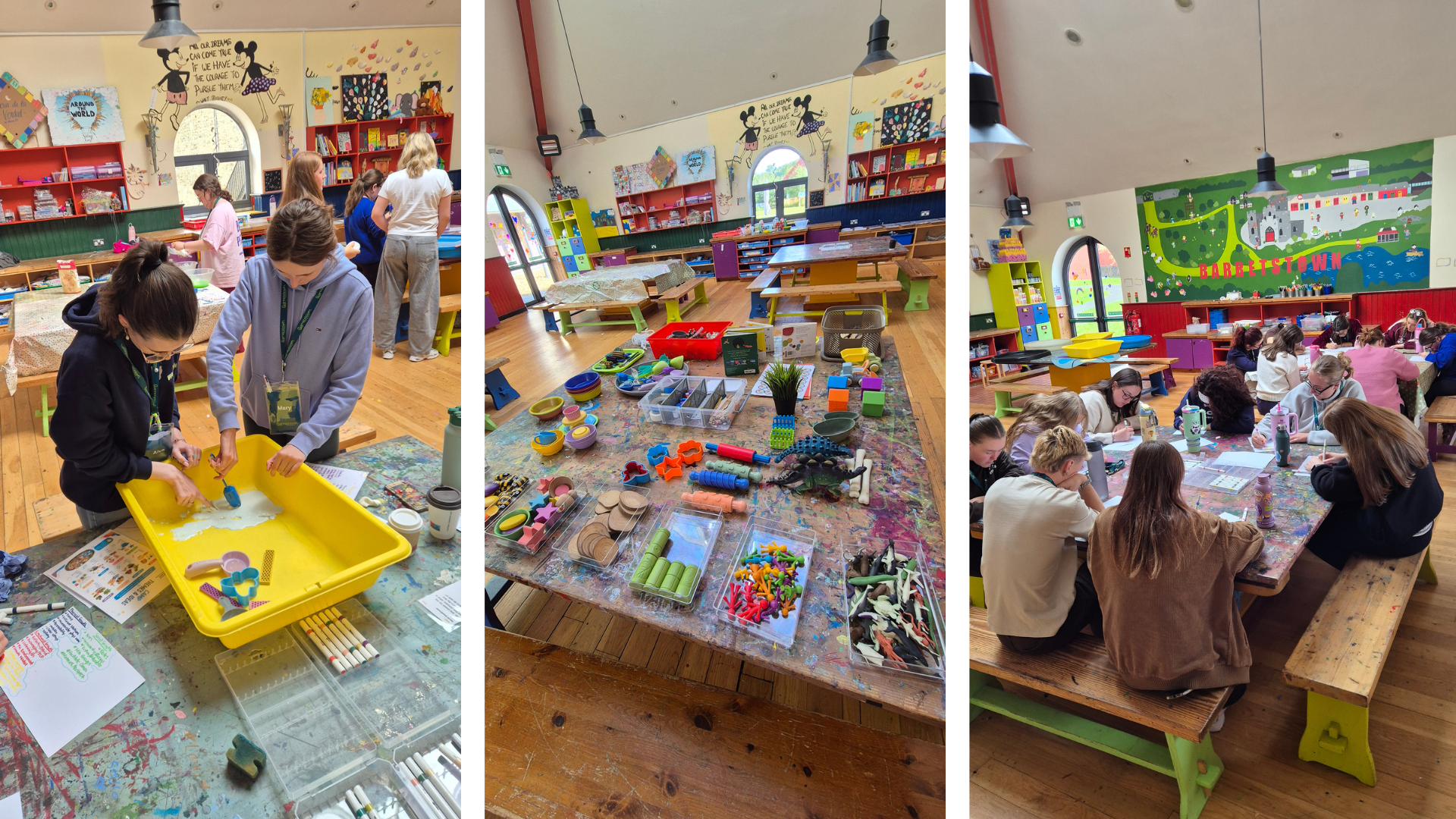
Using what we learned, we built a training day tailored specifically to Barretstown's staff, their strengths, their day-to-day challenges, and the children they serve. Every activity had a clear purpose: to help staff move from theory to genuine, embodied confidence in using play as a therapeutic and connective tool.
Because Barretstown's staff work across such different environments - hospital bedsides, family homes, schools and summer camps - we didn't design one generic session. We designed two.
The hospital and home-visit session focused on imagination, connection and hospital-safe sensory play, built around real medical and infection-control constraints, and grounded in creating "magic moments" even in the most limited of spaces.
The schools and camps session took the same core principles - following a child's lead, reading play as communication, and adapting environments rather than children - and expanded them into a fuller, hands-on experience. Staff made their own sensory recipes together, built their own invitations to play, and practised reading and responding to real scenarios drawn from neurodiversity-informed practice.
Two teams. Two contexts. One shared foundation in the power of play.
A Hands-On, Reflective Approach
Across both sessions, the format stayed consistent: learn by doing, then reflect together.
Rather than presenting play theory as something to memorise, every concept - from following a child's lead, to reading sensory preferences, to adapting an environment on the spot - was introduced through an activity first. Staff played the games, made the recipes, and built the invitations to play themselves before ever being asked to name what they'd just experienced.
Reflection was built into every stage, not saved for the end. After each activity, staff paused to unpack what they'd noticed, what surprised them, and how it connected back to the children in their care. This reflective cycle meant staff weren't just being taught by us; they were learning from each other, sharing perspectives, and building shared language around practices they could take straight back to their teams.
What Staff Took Away
By the end of each session, staff left with more than a set of activities. They left with:
Confidence to bring imagination and playfulness into their work, even with very little time or very few materials.
A practical understanding of play as communication, and how to observe and respond to what a child is really telling them.
Hands-on experience creating their own play resources, from hospital-safe sensory materials to open-ended invitations to play.
A shared framework for adapting, safely and confidently, to every child's individual needs.
A genuine belief in the impact of play - not as a break from "real" learning or care, but as one of the most powerful tools they have.
Play-Based Training, Built Around Your Team
Every organisation working with children, whether in healthcare, education, or community settings, has its own context, constraints and goals. That's why we don't offer one-size-fits-all training. Every session we design starts the same way our work with Barretstown did: with a conversation about who you are, who your staff are, and who you serve.
If your team could benefit from a play-based training session tailored to your organisation - whether in hospital, home-visiting, school, camp or community settings - we'd love to talk.
Get in touch to discuss a tailored staff training session for your organisation.
Discovery Playtime designs and delivers tailored, play-based staff training for organisations working with children, including therapeutic play training, sensory play training, and play-for-growth facilitation training, across hospital, home, school and camp settings.
