
Sensory Play and Emotional Regulation: Helping Professionals Understand Children Through Play
How sensory play, observation and communication through play can transform the way schools, autism organisations and childcare professionals support neurodivergent children.
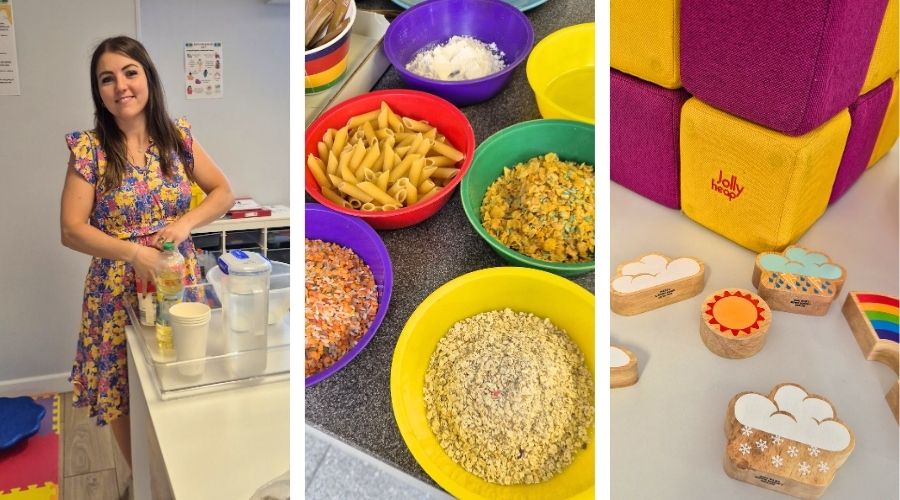
When people hear the term sensory play, they often picture colourful rice, playdough, paint and messy hands. It's easy to think of it as simply another activity to keep children entertained or engaged. While those materials certainly have their place, they are only a small part of what sensory play can offer.
At its core, sensory play is about creating opportunities for children to explore the world in a way that feels meaningful to them. It supports communication, emotional regulation, confidence and connection, while also giving adults valuable insights into how each child experiences and interacts with their environment.
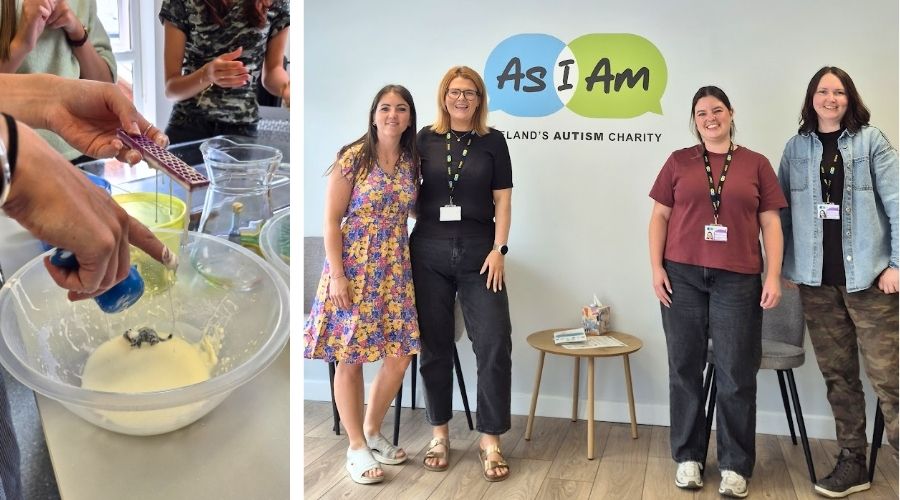
Recently, I had the privilege of delivering a Sensory Play and Emotional Regulation training session for the incredible team at AsIAm, Ireland's Autism Charity. The purpose of the session wasn't to provide a long list of sensory activities or recipes. Instead, it was to encourage professionals to see play through a different lens - one that places observation, curiosity and understanding at the centre of every interaction.
Play Is One of the Most Powerful Forms of Communication
One of the most important messages throughout the training was that children communicate in more ways than words. While spoken language is one form of communication, children are constantly expressing themselves through their interests, their sensory preferences, the choices they make, the materials they are drawn to and the way they engage with play.
A child who spends twenty minutes pouring water between containers, another who carefully arranges objects into neat rows, or a child who chooses to observe before joining an activity are all communicating something meaningful. Rather than viewing these moments as simply "playing," we explored how they can become opportunities to better understand each child's needs, interests and experiences.
This shift in thinking encourages us to replace the question, "How can I get this child to do the activity?" with something much more valuable:
"What might this child be communicating through their play?"
When we ask that question, our role changes. We move away from directing children's play and towards observing it with genuine curiosity. Instead of trying to fit children into our activities, we begin designing experiences around the children themselves.
Observation Before Planning
One of the biggest misconceptions about sensory play is that success comes from creating the most exciting invitation to play or finding the latest activity online.
In reality, the most meaningful sensory experiences begin long before any materials are placed on a tray.
They begin with observation.
Throughout the session, we explored how careful observation allows us to gather information that helps us create experiences that are genuinely relevant for each child. We looked at the importance of noticing which materials children naturally choose, which textures they avoid, the themes they return to repeatedly and the ways they prefer to explore.
These observations become the foundation for planning future invitations to play.
Rather than offering the same activity to every child, we can begin making thoughtful adaptations based on what we have learned. Sometimes that means simplifying an invitation. Sometimes it means introducing a favourite interest. Sometimes it means changing the sensory experience entirely.
The activity itself becomes less important than the thinking behind it.
Understanding Sensory Play and Emotional Regulation
Another key area we explored was the relationship between sensory play and emotional regulation.
Children are constantly processing information from the world around them. Sounds, textures, movement, light, smells and social interactions all influence how their nervous system responds throughout the day.
When children feel overwhelmed, learning becomes much more difficult. When they feel calm, safe and regulated, they are more able to connect with others, communicate, solve problems and explore new experiences.
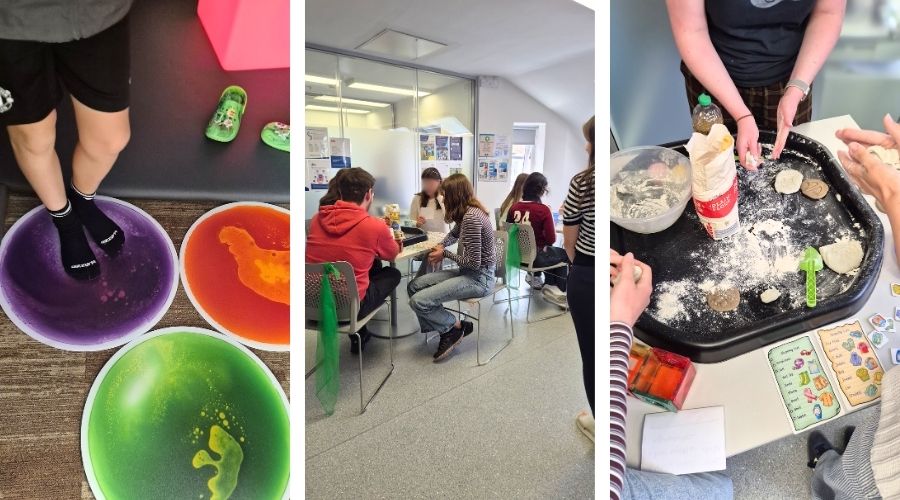
Sensory play can be one of the many tools that helps children reach this regulated state. Exploring different textures, manipulating materials, pouring, squeezing, scooping or creating provides opportunities for children to slow down, focus on the present moment and engage with their environment in ways that support their individual sensory needs.
At the same time, we discussed an equally important message: every child experiences sensory input differently.
What feels calming and enjoyable for one child may feel uncomfortable or overwhelming for another. Some children actively seek strong sensory experiences, while others prefer predictable, familiar or less intense materials.
There is no right or wrong response.
Understanding these individual differences allows us to create environments that are flexible enough for every child to participate in a way that feels safe and comfortable for them.
Bringing This Training to Your Organisation
Whether I'm working with schools, autism organisations, early years settings, family support services, summer camps or community organisations, my aim is always the same: to help professionals better understand children through play.
My training sessions combine sensory play, communication through play, emotional regulation, child development and neurodiversity-affirming practice in a practical, engaging and highly interactive way. Participants leave with far more than a collection of activities - they leave with a different perspective, practical strategies they can implement immediately and a renewed confidence in supporting every child they meet.
If this approach resonates with how you'd like your team to support children, I'd love to hear from you. Together, we can create learning environments where children feel safe, understood and confident to communicate, regulate and thrive through play.
